What are the official languages of Peru? Peru boasts a rich linguistic landscape, with Spanish serving as the predominant language alongside Quechua and Aymara, two indigenous languages spoken by millions of Peruvians. This article delves into the complexities of Peru’s official languages, exploring their history, distribution, and sociocultural significance.
The interplay between Spanish, Quechua, and Aymara has shaped Peru’s cultural identity, fostering a unique linguistic tapestry that reflects the country’s diverse heritage. Understanding the official languages of Peru offers a glimpse into the nation’s vibrant cultural heritage and its commitment to preserving indigenous languages.
Official Languages of Peru
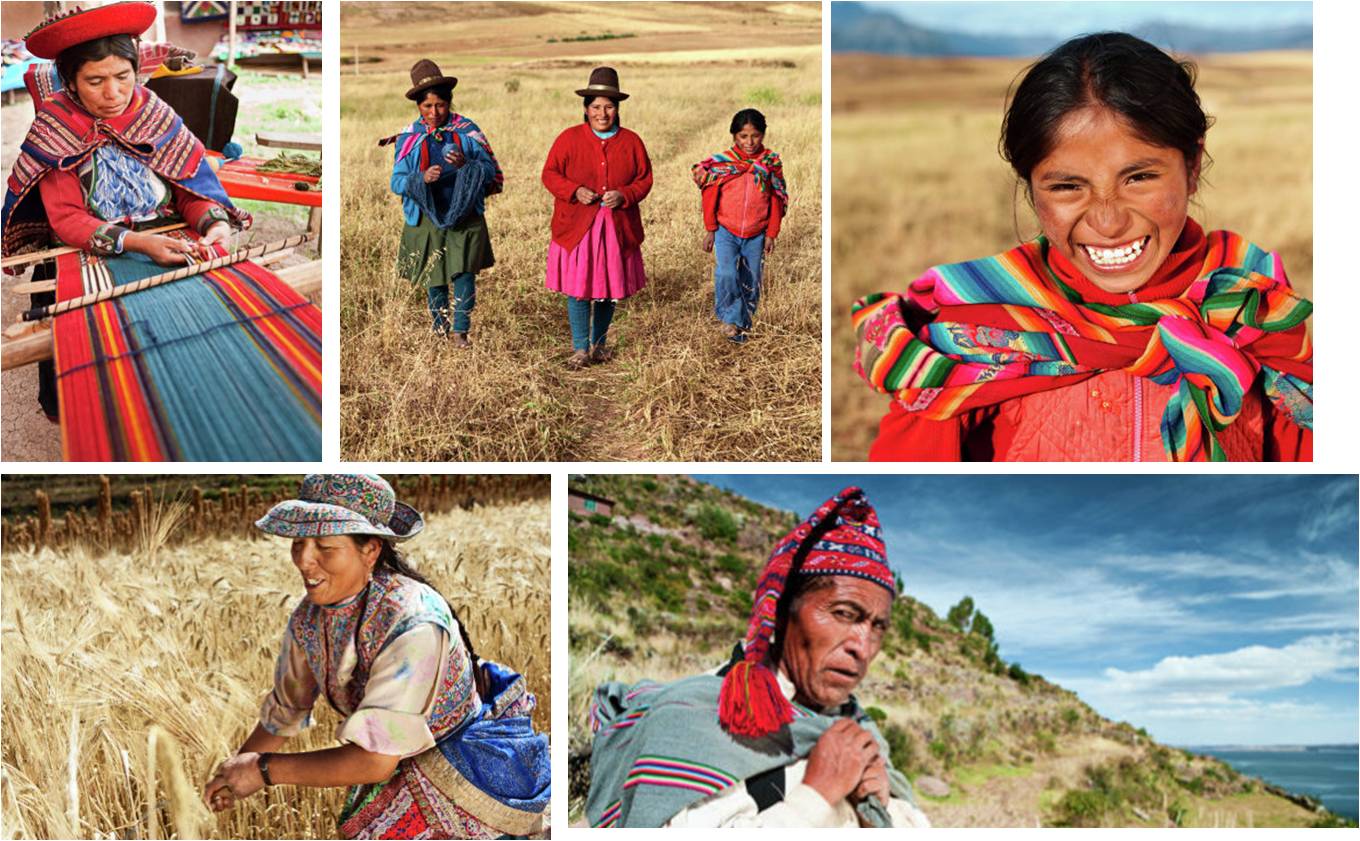
Peru has three official languages: Spanish, Quechua, and Aymara. Spanish is the most widely spoken language in Peru, followed by Quechua and Aymara. The official status of these languages is established by the Peruvian Constitution of 1993, which recognizes the multicultural nature of the country and the rights of its indigenous peoples.
History of Official Languages
The Spanish language was introduced to Peru by the Spanish conquistadors in the 16th century. Over time, Spanish became the dominant language of government, education, and commerce in Peru. Quechua and Aymara, the two main indigenous languages of Peru, were spoken by the majority of the population, but they were not recognized as official languages until the 20th century.
In the 1970s, there was a growing movement for the recognition of indigenous languages in Peru. This movement led to the adoption of the 1993 Constitution, which established Spanish, Quechua, and Aymara as the official languages of Peru.
Distribution of Official Languages
In Peru, the distribution of official languages is shaped by historical, geographical, and cultural factors.
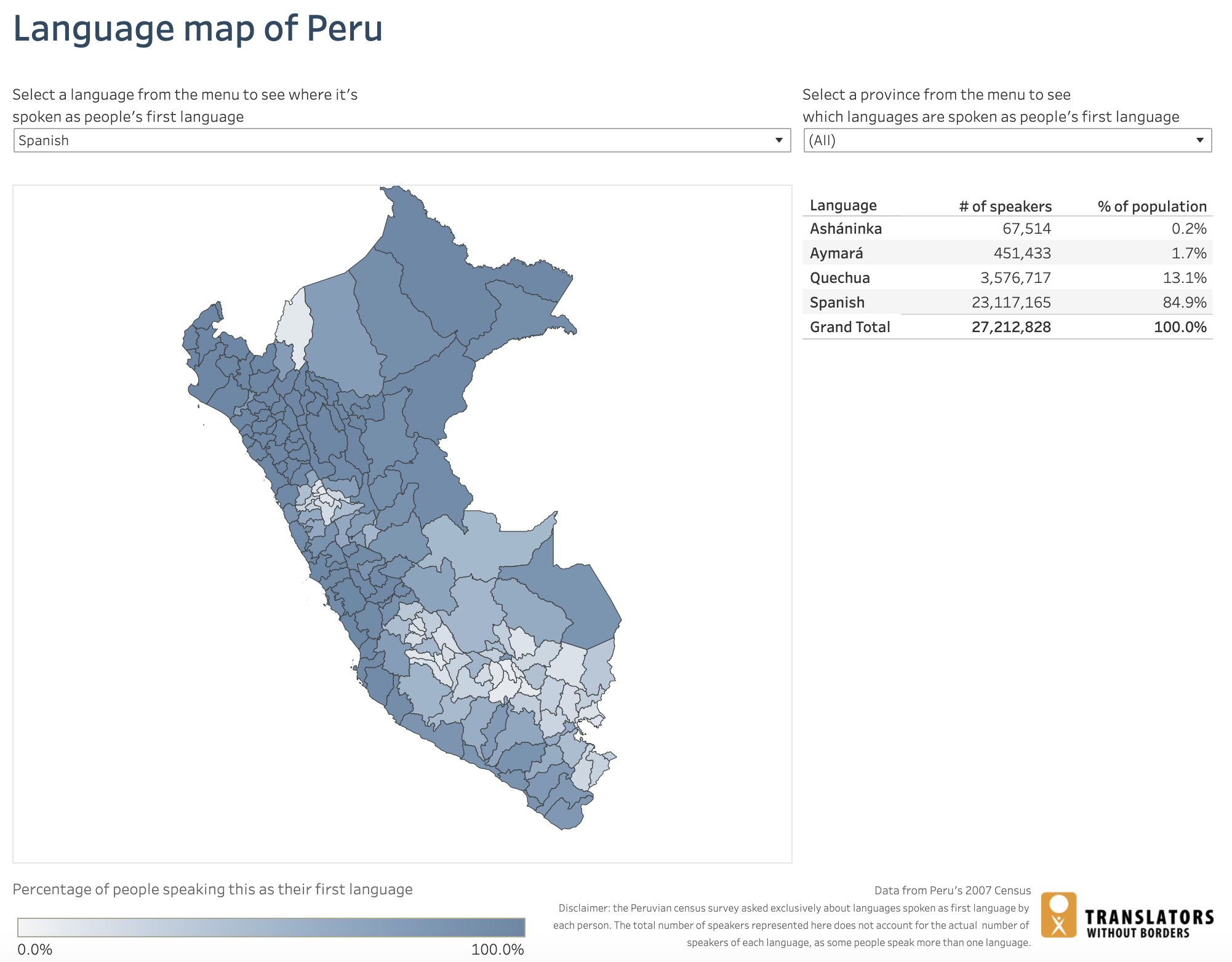
Spanish, the dominant language, is spoken throughout the country, but its prevalence varies across regions. The coastal areas, particularly the urban centers of Lima and Callao, are predominantly Spanish-speaking. In the Andean highlands, Spanish is less widespread, with Quechua and Aymara being the primary languages spoken by indigenous communities.
Factors Influencing Language Distribution
The distribution of languages in Peru is influenced by several factors:
- History:The Spanish conquest in the 16th century introduced Spanish to Peru, which became the official language of the colony and later the republic. However, indigenous languages such as Quechua and Aymara have persisted, particularly in rural areas.
- Geography:The rugged terrain of Peru has contributed to the linguistic diversity. Mountainous regions have acted as barriers to communication, allowing for the preservation of indigenous languages.
- Culture:Indigenous communities have strong cultural ties to their languages, which are seen as symbols of their identity and heritage. This has led to the continued use of Quechua and Aymara in many areas.
Indigenous Languages in Peru
Peru is a multilingual country with a rich linguistic diversity. In addition to the official languages of Spanish and Quechua, there are over 40 indigenous languages spoken throughout the country. These languages represent the cultural heritage of Peru’s indigenous communities and play a vital role in their cultural identity.
The most widely spoken indigenous language in Peru is Quechua, with over 3 million speakers. Quechua is the native language of the Inca Empire and is still spoken by many indigenous communities in the Andes region. Other major indigenous languages include Aymara, spoken in the southern Andes, and Shipibo-Conibo, spoken in the Amazon rainforest.
Significance of Indigenous Languages in Peruvian Culture and Identity
Indigenous languages are an integral part of Peruvian culture and identity. They are used in oral traditions, storytelling, and cultural practices. Many indigenous communities use their native languages to teach their children about their history, traditions, and values.
Indigenous languages also play a role in the development of Peruvian literature and art. Many renowned Peruvian writers and artists have incorporated indigenous languages and themes into their work.
Challenges Faced by Indigenous Languages in Peru
Despite their cultural significance, indigenous languages in Peru face a number of challenges. Language loss is a major concern, as many indigenous communities are shifting to Spanish in order to participate in the modern economy.
Discrimination and lack of resources are also major barriers to the preservation of indigenous languages. Many indigenous people face discrimination because of their native languages, and there is a lack of educational resources and support for indigenous languages.
Strategies for the Preservation and Revitalization of Indigenous Languages in Peru
There are a number of strategies that can be implemented to preserve and revitalize indigenous languages in Peru. These include:
- Language policies: The government can implement language policies that support the use and teaching of indigenous languages.
- Education programs: Educational programs can be developed to teach indigenous languages to children and adults.
- Community initiatives: Indigenous communities can develop their own initiatives to promote the use and preservation of their languages.
Technology can also play a role in promoting indigenous languages. Language apps, online dictionaries, and social media platforms can be used to create and share content in indigenous languages.
Quechua and Aymara
Quechua and Aymara, the two most widely spoken indigenous languages in Peru, hold immense historical and cultural significance in the country. Their linguistic and cultural importance has shaped the Peruvian identity and contributed to the nation’s diverse linguistic landscape.
Quechua, spoken by over 3 million people, traces its roots to the Inca Empire, where it served as the official language. It is primarily spoken in the central and southern regions of Peru, particularly in the Andean highlands. Quechua encompasses various dialects, each reflecting the cultural and geographical diversity of the regions where it is spoken.
Linguistic Significance
Quechua is renowned for its complex grammar and rich vocabulary. It features a unique system of suffixes and prefixes that allow for the creation of new words and phrases. The language’s flexibility and expressiveness have enabled it to adapt to changing social and cultural contexts.
Cultural Importance
Quechua is deeply intertwined with the cultural traditions of the Andean communities. It is used in traditional ceremonies, festivals, and storytelling, serving as a vehicle for transmitting cultural knowledge and preserving indigenous customs.
Aymara, spoken by approximately 1 million people, is primarily concentrated in the southern regions of Peru, particularly around Lake Titicaca. It shares a close historical and linguistic relationship with Quechua, and both languages have influenced each other’s development.
Linguistic Significance
Aymara is distinguished by its complex phonology and unique grammatical features. It employs a system of ergative-absolutive case marking, which assigns different grammatical roles to subjects and objects based on their function in a sentence.
Cultural Importance
Aymara is an integral part of the cultural identity of the Aymara people. It is used in traditional rituals, songs, and dances, and plays a vital role in preserving the community’s cultural heritage.
– Analyze the sociolinguistic variation of Spanish in Peru, considering factors such as region, social class, and ethnicity.
The sociolinguistic variation of Spanish in Peru is a complex and fascinating topic. The language has been spoken in the country for over 500 years, and during that time it has undergone a number of changes. These changes have been influenced by a variety of factors, including region, social class, and ethnicity.
Peru boasts two official languages: Spanish, the primary language spoken by the majority of the population, and Quechua, an indigenous language spoken by a significant portion of the Andean population. Interestingly, the question of “what language does Fiji speak” presents a parallel inquiry into the linguistic landscape of another nation.
To delve into this topic, refer to the article titled ” What Language Does Fiji Speak ,” which provides insights into the official languages and linguistic diversity of Fiji.
One of the most noticeable ways in which Spanish varies in Peru is in terms of pronunciation. The coastal dialects of Spanish, spoken in cities such as Lima and Trujillo, are characterized by a distinctive “lisp” in which the “s” sound is pronounced as a soft “sh.” In contrast, the Andean dialects of Spanish, spoken in the highlands of Peru, are characterized by a more guttural pronunciation of the “s” sound.
Social class also plays a role in the way that Spanish is spoken in Peru. The upper classes tend to speak a more formal and standardized variety of Spanish, while the lower classes tend to speak a more informal and colloquial variety.
This difference in speech patterns can be seen in a number of different ways, including vocabulary, grammar, and pronunciation.
Finally, ethnicity also plays a role in the way that Spanish is spoken in Peru. The indigenous languages of Peru, such as Quechua and Aymara, have had a significant influence on the Spanish spoken in the country. This influence can be seen in a number of different ways, including vocabulary, grammar, and pronunciation.
Language Education in Peru
Peru’s language education policies have undergone significant changes in recent decades. The 1993 General Education Law established Spanish as the official language of instruction in all public schools, while recognizing the importance of promoting and preserving indigenous languages. In 2007, the Bilingual Intercultural Education Law was enacted, promoting the use of indigenous languages as mediums of instruction in areas with significant indigenous populations.
These policies have had a notable impact on the use of official languages in Peru. Spanish remains the dominant language of instruction in most schools, but there has been a growing recognition of the importance of indigenous languages in education.
Bilingual and intercultural education programs have been implemented in many indigenous communities, allowing students to learn both Spanish and their native language.
Challenges and Opportunities in Promoting Multilingualism in Education, What are the official languages of peru
Promoting multilingualism in education in Peru faces several challenges. One challenge is the lack of qualified teachers who are proficient in both Spanish and indigenous languages. Another challenge is the need to develop appropriate teaching materials and curricula that reflect the cultural and linguistic diversity of Peru.
Despite these challenges, there are also significant opportunities for promoting multilingualism in education in Peru. Multilingual education can help to preserve indigenous languages and cultures, promote social inclusion, and improve educational outcomes for indigenous students. By investing in multilingual education, Peru can create a more equitable and inclusive education system that meets the needs of all its citizens.
– Discuss the relationship between language and cultural identity in Peru.
Language is a fundamental aspect of cultural identity, as it shapes the way individuals perceive and interact with the world around them. In Peru, the relationship between language and cultural identity is particularly complex, due to the country’s diverse linguistic landscape and rich cultural heritage.
Spanish is the official language of Peru, and it is spoken by the majority of the population. However, there are also 47 indigenous languages spoken in Peru, including Quechua, Aymara, and Ashaninka. These indigenous languages are closely tied to the cultural identities of the communities that speak them, and they play an important role in preserving and transmitting cultural traditions.
Language and cultural values
Language is used to express cultural values, traditions, and beliefs. For example, in Quechua, there are specific words and phrases that are used to describe the relationship between individuals and their community. These words and phrases reflect the importance of community and cooperation in Quechua culture.
Language and national identity
The use of official languages (Spanish, Quechua, Aymara) shapes the sense of national identity in Peru. Spanish is the language of government and education, and it is seen as the language of national unity. However, Quechua and Aymara are also recognized as official languages, and they are spoken by a significant portion of the population.
This recognition reflects the importance of indigenous languages in Peruvian culture and identity.
Language Policy and Planning
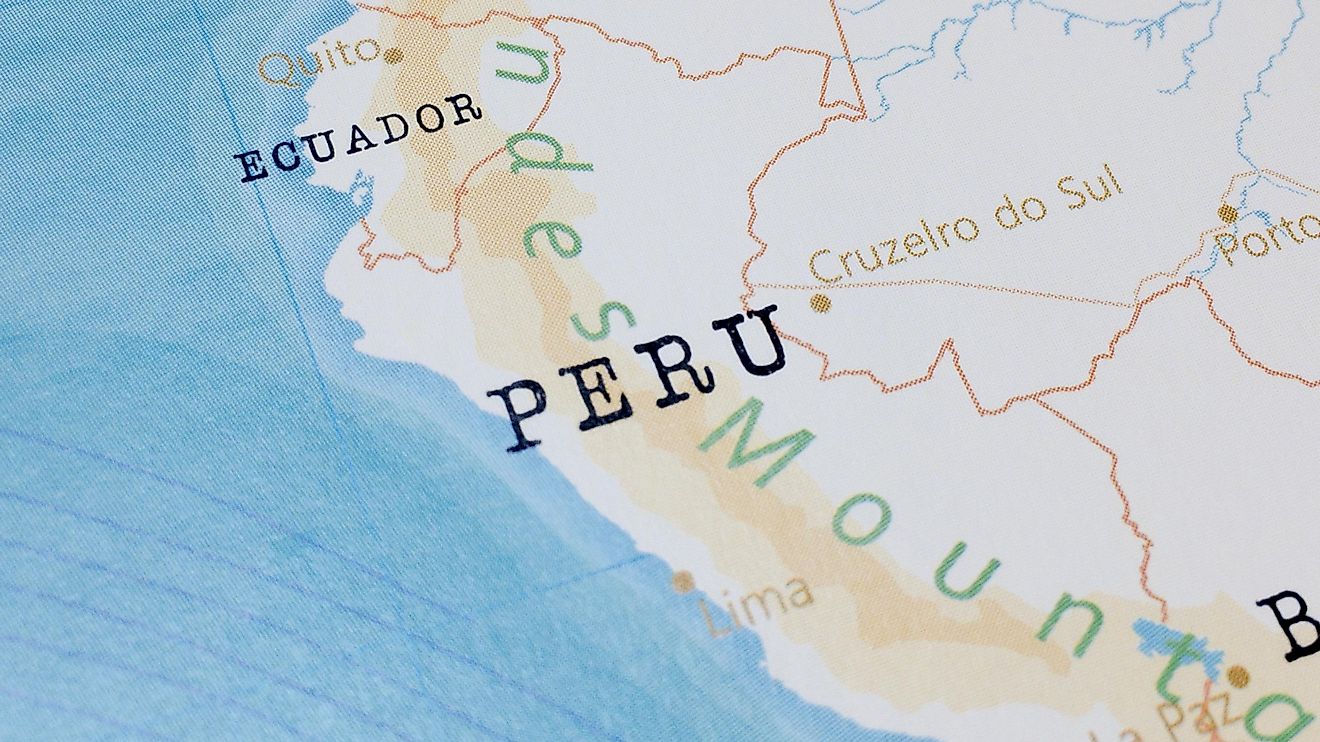
In Peru, the official languages are Spanish, Quechua, and Aymara. To promote and protect these languages, the government has implemented various language policy and planning initiatives.
One such initiative is the General Law of Education (2003), which recognizes the right of all Peruvians to education in their native language. This law has led to the establishment of bilingual education programs in Quechua and Aymara-speaking communities.
Goals and Outcomes of Language Policy and Planning Initiatives
- Promote the use of official languages in all spheres of public life, including education, government, and the media.
- Protect the rights of linguistic minorities and ensure their access to education and other essential services in their own languages.
- Preserve and revitalize indigenous languages that are at risk of extinction.
These initiatives have had a number of positive outcomes, including:
- Increased use of Quechua and Aymara in education and government.
- Greater awareness of the importance of linguistic diversity.
- Increased support for indigenous language revitalization efforts.
Socioeconomic Factors and Language Use
Socioeconomic factors play a significant role in shaping language use in Peru. Language can serve as a marker of social status and economic opportunity, influencing access to education, employment, and social mobility.
Individuals from higher socioeconomic backgrounds tend to have greater proficiency in the official languages, Spanish and Quechua, and are more likely to use them in formal settings. This is because they have access to better education and resources that support language acquisition.
Education
Education is a key factor that influences language use. Individuals with higher levels of education are more likely to be proficient in both Spanish and Quechua, as they have had more opportunities to develop their language skills.
Occupation
Occupation also affects language use. Professions that require high levels of communication and interaction, such as law, medicine, and education, typically favor individuals who are proficient in both Spanish and Quechua.
Social Mobility
Language can be a barrier to social mobility in Peru. Individuals who are not proficient in the official languages may face limited opportunities for education and employment, which can hinder their ability to improve their socioeconomic status.
Language and the Media
The media plays a crucial role in promoting and shaping the use of official languages in Peru. It influences language attitudes and practices, impacts language diversity, and contributes to the spread of dominant languages.
Role of the Media in Promoting Official Languages
The media, through news, entertainment, and educational programs, disseminates official languages, making them more accessible and visible to the public. This exposure helps normalize and legitimize these languages, reinforcing their status as the primary means of communication.
Language and Literature
Peru’s official languages, Spanish and Quechua, possess rich literary traditions that mirror and shape their usage and perception.
Spanish literature in Peru emerged during the colonial era, influenced by European literary styles and themes. Peruvian writers like Inca Garcilaso de la Vega and Ricardo Palma contributed to the development of Spanish American literature.
Quechua Literature
- Pre-Columbian Quechua literature was primarily oral, focusing on myths, legends, and historical narratives.
- In the 20th century, written Quechua literature emerged, led by authors like José María Arguedas and Ciro Alegría.
- Quechua literature often explores themes of indigenous identity, cultural preservation, and social justice.
Language and Technology: What Are The Official Languages Of Peru
Technology has profoundly impacted the use and preservation of official languages in Peru. It has influenced the accessibility and use of Quechua and Aymara, playing a crucial role in preserving and revitalizing these languages.
Impact on Official Languages
Technology has increased the accessibility of Quechua and Aymara through online resources, mobile applications, and social media platforms. These platforms provide learners with access to language learning materials, dictionaries, and interactive exercises. They also facilitate communication between native speakers and learners, fostering language use and preservation.
Moreover, technology enables the creation and dissemination of digital content in Quechua and Aymara. This includes news articles, books, music, and videos, which promotes the visibility and usage of these languages in the digital sphere.
Multilingual Communication and Language Learning
Technology can bridge language barriers and foster cross-cultural communication. Translation apps and software allow for real-time translation, enabling communication between individuals who speak different languages. This facilitates intercultural exchange and understanding.
Technology also plays a vital role in language learning. Online language courses, interactive games, and virtual classrooms provide learners with personalized and engaging learning experiences. These platforms adapt to individual learning styles and paces, making language learning more accessible and effective.
Ethical Implications and Language Standardization
The use of technology for language preservation and promotion raises ethical considerations. It is important to ensure that technology does not lead to the marginalization or standardization of minority languages. Efforts should be made to promote linguistic diversity and support the use of all official languages in Peru.
Technology can influence language standardization by promoting certain dialects or variations over others. It is crucial to maintain a balance between preserving linguistic diversity and ensuring effective communication. Collaborative efforts between linguists, educators, and communities can help guide the standardization process.
In Peru, Spanish and Quechua are the official languages. The vast majority of the population speaks Spanish, while Quechua is spoken by about 13% of the population. What is good morning in Spanish language ? In Spanish, the most common way to say good morning is “Buenos días”.
This phrase is used from sunrise until noon. After noon, the more appropriate greeting is “Buenas tardes”, which means “Good afternoon”.
Successful Technology-Based Initiatives
Several successful technology-based initiatives have been implemented in Peru to promote language revitalization and multilingual communication. These include:
- Runasimi Virtual: An online platform that provides language learning resources, dictionaries, and interactive exercises in Quechua.
- Aymara Digital Archive: A digital repository that preserves and disseminates Aymara cultural heritage, including language materials.
- Translate Peru: A mobile app that enables real-time translation between Quechua, Aymara, and Spanish, facilitating communication in multilingual settings.
Future of Official Languages in Peru
The future prospects of the official languages in Peru are influenced by various factors, including globalization, language policies, and socioeconomic trends.
Challenges
- Globalization:The influence of global languages, such as English, may lead to a decline in the use of indigenous languages.
- Language policies:Insufficient support for indigenous languages in education and media can hinder their preservation.
- Socioeconomic factors:Urbanization and economic migration can lead to language shift towards Spanish.
Opportunities
- Recognition and revitalization efforts:Government initiatives and community-based programs are promoting the use and preservation of indigenous languages.
- Cultural heritage:The preservation of indigenous languages is crucial for safeguarding Peru’s cultural diversity and heritage.
- Economic benefits:Indigenous languages can contribute to tourism and cultural industries, promoting economic development.
Case Studies

This section presents case studies that illustrate the use, challenges, and preservation efforts related to the official languages in Peru. These case studies provide insights into the dynamics of language use in the country and highlight the significance of language policy and practice in shaping linguistic landscapes.
The case studies are based on data and evidence from various sources, including government reports, academic research, and interviews with experts and stakeholders. They cover a range of topics, including the use of Spanish and indigenous languages in education, the media, and the public sphere.
Preservation of Quechua in Cusco
The Cusco region is home to a large population of Quechua speakers. In recent years, there have been significant efforts to preserve and promote Quechua in the region. These efforts include the establishment of Quechua-language schools, the incorporation of Quechua into the school curriculum, and the creation of Quechua-language media outlets.
One of the most successful examples of Quechua preservation in Cusco is the Willkamayuproject. This project was launched in 2006 with the aim of revitalizing Quechua in the region. The project has developed a range of resources for Quechua speakers, including textbooks, dictionaries, and online learning materials.
It has also established a network of Quechua-language schools and trained teachers to teach Quechua as a second language.
The Willkamayuproject has been successful in increasing the number of Quechua speakers in Cusco. A 2017 study found that the number of Quechua speakers in the region had increased by 10% since the project was launched. The project has also helped to raise awareness of the importance of Quechua and has contributed to a greater sense of pride in the Quechua language and culture.
Use of Spanish in the Public Sphere
Spanish is the dominant language in Peru and is used in all spheres of public life. However, there are still some areas where indigenous languages are used in the public sphere. For example, in some rural areas, indigenous languages are used in local government meetings and in the courts.
The use of indigenous languages in the public sphere is often seen as a sign of respect for the linguistic diversity of Peru. It also helps to ensure that all citizens have access to public services, regardless of their linguistic background.
However, the use of indigenous languages in the public sphere is also facing some challenges. One challenge is the lack of resources for indigenous languages. For example, there is a shortage of indigenous-language teachers and materials. Another challenge is the negative attitudes that some people have towards indigenous languages.
Summary of Key Findings
The case studies presented in this section provide valuable insights into the use, challenges, and preservation efforts related to the official languages in Peru. The case studies highlight the importance of language policy and practice in shaping linguistic landscapes and the need for continued efforts to preserve and promote indigenous languages in Peru.
The key findings of the case studies include:
- There are significant efforts underway to preserve and promote indigenous languages in Peru.
- These efforts are having a positive impact on the number of indigenous language speakers in the country.
- The use of indigenous languages in the public sphere is a sign of respect for the linguistic diversity of Peru.
- However, the use of indigenous languages in the public sphere is facing some challenges, such as the lack of resources and negative attitudes.
These findings have important implications for language policy and practice in Peru. They suggest that there is a need for continued support for indigenous language preservation efforts and for the development of policies that promote the use of indigenous languages in the public sphere.
FAQ Explained
What are the official languages of Peru?
Spanish, Quechua, and Aymara are the three official languages of Peru.
What is the most widely spoken language in Peru?
Spanish is the most widely spoken language in Peru, with over 80% of the population speaking it as their native language.
How many indigenous languages are spoken in Peru?
There are over 40 indigenous languages spoken in Peru, including Quechua, Aymara, and many others.
What is the significance of Quechua and Aymara?
Quechua and Aymara are two of the most widely spoken indigenous languages in Peru and have a rich cultural and historical significance.
What challenges do indigenous languages face in Peru?
Indigenous languages in Peru face challenges such as language loss, discrimination, and lack of resources.
