What languages are spoken in the dominican republic – In the heart of the Caribbean, the Dominican Republic boasts a rich tapestry of languages that reflect its vibrant history and diverse cultural influences. This presentation delves into the linguistic landscape of this enchanting nation, exploring the official languages, regional dialects, and the impact of globalization on language usage.
The official language of the Dominican Republic is Spanish, a legacy of its colonial past under Spain. However, the country’s proximity to Haiti and the influx of Haitian immigrants have resulted in the widespread use of Haitian Creole, particularly in border regions and urban centers.
Official Languages
The official language of the Dominican Republic is Spanish, which is spoken by the vast majority of the population. Spanish was introduced to the island by Spanish colonizers in the 15th century and has been the official language ever since.
In addition to Spanish, there are several regional languages spoken in the Dominican Republic, including Haitian Creole, English, and French. Haitian Creole is spoken by a significant portion of the Haitian immigrant population, while English and French are spoken by smaller communities of expatriates and tourists.
Domains of Language Use
Spanish is used in all official domains, including government, education, and the media. It is also the language of business and commerce. However, Haitian Creole is also widely used in informal settings, particularly in the border regions with Haiti.
Spoken Languages
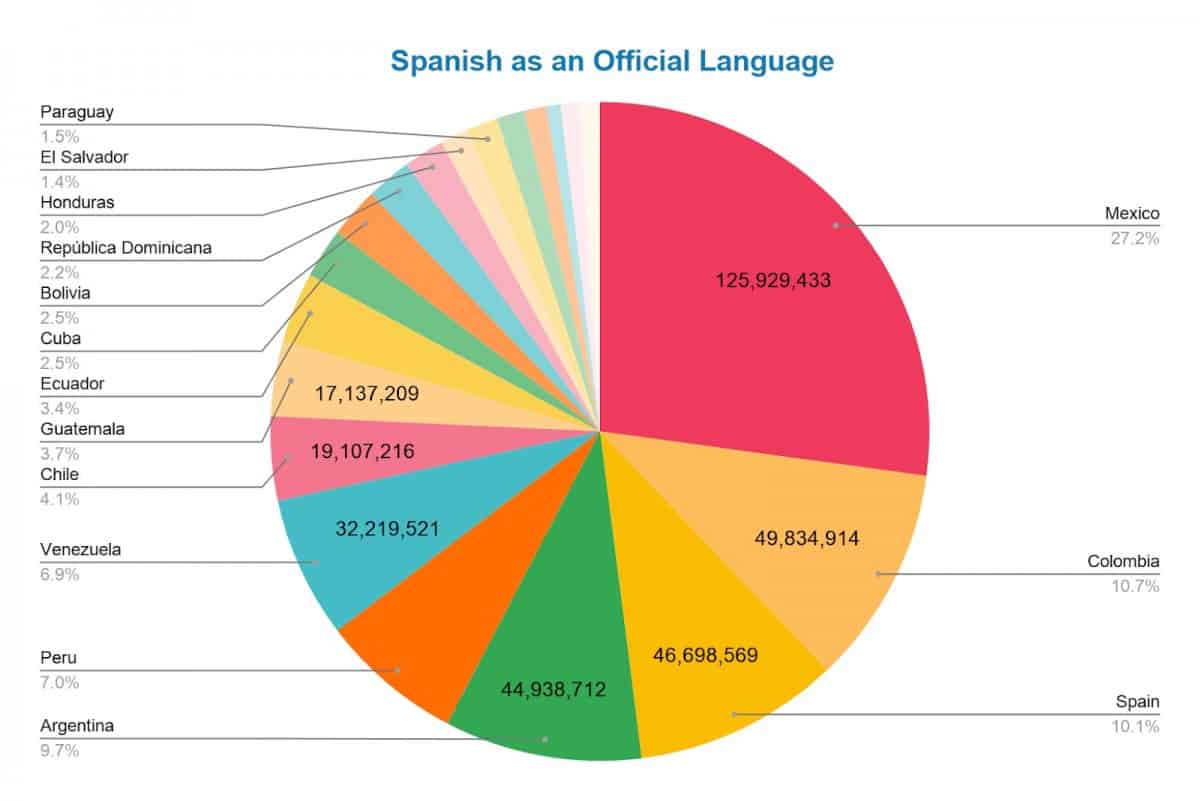
The Dominican Republic has a rich linguistic landscape, with Spanish serving as the official language. However, several other languages are spoken within the country, each with its own distribution and usage patterns.
Beyond Spanish, the most widely spoken language in the Dominican Republic is Haitian Creole, a French-based Creole language brought to the country by Haitian immigrants. Haitian Creole is primarily spoken in border regions and urban areas with significant Haitian populations.
Indigenous Languages
The Dominican Republic was once home to several indigenous languages spoken by the Taíno and Carib peoples. However, these languages have largely disappeared due to the influence of Spanish and other factors. Today, only a few remnants of these indigenous languages survive, such as place names and certain words incorporated into Dominican Spanish.
Other Languages
In addition to Spanish, Haitian Creole, and indigenous languages, several other languages are spoken in the Dominican Republic, including English, French, and German. These languages are primarily spoken by foreign residents, tourists, and expatriate communities.
Spanish Dialects: What Languages Are Spoken In The Dominican Republic
The Dominican Republic is a Spanish-speaking country with a rich linguistic heritage. Several Spanish dialects are spoken throughout the country, each with its own unique characteristics and regional variations.
The main Spanish dialect spoken in the Dominican Republic is Dominican Spanish, which is a variety of Caribbean Spanish. Dominican Spanish is characterized by its fast pace, its use of nasal vowels, and its distinctive intonation patterns.
Regional Variations
There are several regional variations of Dominican Spanish. The most notable differences are found between the dialects spoken in the Cibao region in the north and the dialects spoken in the Santo Domingo region in the south.
The Cibao dialect is known for its use of the “seseo” pronunciation, in which the letters “c” and “z” are pronounced as “s.” The Santo Domingo dialect, on the other hand, uses the “ceceo” pronunciation, in which the letters “c” and “z” are pronounced as “th.”
Other regional variations include the use of different vocabulary words and grammatical structures. For example, the word “guagua” is used to refer to a bus in the Cibao region, while the word “carro público” is used in the Santo Domingo region.
Haitian Creole

Haitian Creole, a French-based creole language, has a significant presence in the Dominican Republic due to historical and ongoing migration from neighboring Haiti.Haitian Creole is spoken by a substantial Haitian immigrant population and their descendants, primarily in urban areas along the border with Haiti and in the capital city of Santo Domingo.
It is estimated that around 10-15% of the Dominican population speaks Haitian Creole.
Demographics and Regions
The presence of Haitian Creole in the Dominican Republic is concentrated in specific regions and demographic groups:
- Border Regions:Haitian Creole is widely spoken in provinces bordering Haiti, such as Dajabón, Elías Piña, and Pedernales, where Haitian migration has been historically significant.
- Urban Centers:In Santo Domingo and other major cities, Haitian Creole is spoken by Haitian communities and individuals who have migrated for work or other reasons.
- Haitian Descendants:Many Dominicans of Haitian descent, known as “dominicanos de ascendencia haitiana,” also speak Haitian Creole as a second language or as part of their cultural heritage.
English
English holds a significant presence in the Dominican Republic, with an estimated 10-15% of the population possessing some level of proficiency. This prevalence stems from several factors, including the country’s proximity to the United States, a major English-speaking nation, and its thriving tourism industry, which attracts a large number of English-speaking visitors.
Role in Tourism
English plays a crucial role in the Dominican Republic’s tourism sector. The majority of foreign tourists come from English-speaking countries, making English proficiency essential for effective communication and the provision of high-quality services. English-speaking staff in hotels, restaurants, and tourist attractions enhance the visitor experience and foster positive interactions.
Importance in Business
English is also vital in the business realm, particularly in sectors such as international trade and investment. The Dominican Republic’s participation in global markets requires effective communication with international partners, and English serves as the lingua franca of international business.
English proficiency facilitates negotiations, contracts, and the exchange of information, contributing to economic growth and competitiveness.
Individual and Business Benefits
English proficiency has brought tangible benefits to individuals and businesses in the Dominican Republic. For individuals, it has opened up employment opportunities in tourism, international organizations, and multinational companies. For businesses, it has facilitated access to global markets, increased foreign investment, and enhanced competitiveness in the international arena.
French
The influence of French in the Dominican Republic is minimal, with only a small percentage of the population speaking it. However, there are historical and cultural factors that have contributed to its presence in the country.Historically, the Dominican Republic was a French colony from 1795 to 1809.
During this period, French was the official language of the colony and was used in government, education, and commerce. After the Dominican Republic gained independence in 1844, Spanish became the official language, but French continued to be spoken by some of the elite and in certain regions of the country.Today, French is spoken by a small percentage of the Dominican population, primarily in the capital city of Santo Domingo and in the eastern region of the country, which borders Haiti.
It is also spoken by some members of the Dominican diaspora, particularly in the United States and France.
In the Dominican Republic, Spanish is the official language, but English and French are also widely spoken. Similarly, in Qatar, Arabic is the official language, but English is also widely used. To learn more about the language spoken in Qatar, you can refer to this article: what language do they speak in qatar.
Additionally, in the Dominican Republic, Haitian Creole is spoken by a significant portion of the population.
French in Education
French is taught as a foreign language in some schools in the Dominican Republic, and there are a few private schools that offer French immersion programs. The Dominican government has also made efforts to promote the study of French in recent years, in order to strengthen ties with French-speaking countries in the Caribbean and beyond.
Other Languages
In addition to Spanish, Haitian Creole, English, and French, there are several other languages spoken in the Dominican Republic. These languages are spoken by minority groups and immigrant communities, and their presence reflects the country’s diverse cultural heritage.
One significant minority language in the Dominican Republic is Samaná English, a dialect of English spoken by descendants of African-American slaves who settled in the Samaná Peninsula in the 19th century. Other minority languages include Garifuna, spoken by a small community on the north coast, and Dominican Sign Language, used by the deaf community.
Immigrant Communities
Immigration has also contributed to the linguistic diversity of the Dominican Republic. Significant immigrant communities from countries such as China, Italy, and Lebanon have brought their languages and cultures to the country. These communities have established their own enclaves, where their languages are spoken and their traditions are preserved.
Government Policies and Attitudes
The Dominican government generally adopts a tolerant attitude towards minority languages and immigrant communities. The constitution recognizes Spanish as the official language but does not prohibit the use of other languages in private or educational settings. However, there have been some concerns about the preservation and revitalization of minority languages due to the dominance of Spanish in public life.
Language Revitalization Efforts, What languages are spoken in the dominican republic
There are some efforts underway to revitalize minority languages in the Dominican Republic. The Samaná English Heritage Association, for example, promotes the preservation and teaching of Samaná English. Other organizations are working to document and promote the use of Dominican Sign Language.
Despite these efforts, minority languages in the Dominican Republic continue to face challenges. The dominance of Spanish in education, media, and government often leads to the assimilation of minority language speakers into the Spanish-speaking majority. The lack of official recognition and support for minority languages can also hinder their revitalization.
Language Education

The Dominican Republic has a comprehensive language education system that aims to provide citizens with the necessary skills to communicate effectively in both Spanish and English. The curriculum is designed to ensure that students develop proficiency in all four language skills: reading, writing, listening, and speaking.At the primary level, students begin learning Spanish as their first language.
English is introduced as a second language in the third grade. Students continue to study both languages throughout their secondary education, with a focus on developing their reading, writing, and speaking skills. In addition, students have the opportunity to learn other languages, such as French and Haitian Creole, as electives.The Dominican Republic also has a number of universities and colleges that offer language programs.
These programs allow students to study a variety of languages, including Spanish, English, French, and German. Many of these programs also offer study abroad opportunities, which allow students to immerse themselves in the language and culture of their choice.
Curriculum
The language education curriculum in the Dominican Republic is designed to provide students with a strong foundation in both Spanish and English. The curriculum is divided into four levels: basic, intermediate, advanced, and superior. Each level builds on the previous one, and students must complete all four levels in order to graduate from high school.The basic level focuses on developing students’ basic language skills, such as reading, writing, listening, and speaking.
The intermediate level builds on these skills and introduces students to more complex grammar and vocabulary. The advanced level focuses on developing students’ critical thinking skills and their ability to communicate effectively in both written and spoken form. The superior level is designed for students who want to pursue a career in language teaching or translation.
Availability of Language Learning Opportunities
The Dominican Republic has a number of language learning opportunities available to its citizens. In addition to the language education system, there are also a number of private language schools and language learning centers. These schools offer a variety of language courses, including Spanish, English, French, and Haitian Creole.The Dominican Republic also has a number of cultural exchange programs that allow students to learn a new language while immersing themselves in a new culture.
These programs are typically offered through universities and colleges, and they allow students to live with a host family and attend school in a foreign country.
Language Policy
The Dominican Republic has a complex language policy that reflects its history of Spanish colonization and Haitian immigration. The official language of the country is Spanish, and it is the primary language of government, education, and media. However, Haitian Creole is also widely spoken, particularly in the border regions with Haiti.The government’s language policy aims to promote the use of Spanish while also preserving Haitian Creole.
This policy has been implemented through a variety of regulations and initiatives, including:
Spanish Promotion
- Spanish is the official language of the government, and all official documents must be written in Spanish.
- Spanish is the language of instruction in all public schools, and Haitian Creole is only taught as a foreign language.
- The government has launched several campaigns to promote the use of Spanish, including a national literacy program and a campaign to encourage the use of Spanish in the media.
Haitian Creole Preservation
- Haitian Creole is recognized as a national language, and it is protected by the constitution.
- The government has established a national institute for the study of Haitian Creole, and it has funded several programs to promote the use of Haitian Creole in education and the media.
- The government has also taken steps to ensure that Haitian Creole is used in government services, such as healthcare and social services.
The government’s language policy has had a significant impact on language usage in the Dominican Republic. Spanish is the dominant language in the country, and it is used by the majority of the population. However, Haitian Creole is also widely spoken, particularly in the border regions with Haiti.
The government’s efforts to promote Spanish and preserve Haitian Creole have been largely successful, and both languages are now widely used in the country.Despite the government’s efforts, there are still some challenges to implementing the language policy. One challenge is the lack of resources for Haitian Creole education.
Haitian Creole is not taught in most public schools, and there are few resources available for Haitian Creole learners. This can make it difficult for Haitian Creole speakers to fully participate in Dominican society.Another challenge is the stigma associated with Haitian Creole.
Haitian Creole is often seen as a language of the poor and uneducated. This stigma can make it difficult for Haitian Creole speakers to feel comfortable using their language in public.Despite these challenges, the Dominican Republic’s language policy is a positive step towards promoting linguistic diversity and preserving the country’s cultural heritage.
The Dominican Republic is a vibrant nation with a rich linguistic heritage. Spanish is the official language, spoken by the vast majority of the population. However, due to the country’s historical ties to other nations, other languages are also present.
For a deeper understanding of the Dominican Republic’s linguistic landscape, refer to the article what is the language of dominican republic. Haitian Creole, English, and French are among the other languages spoken in the Dominican Republic, reflecting the country’s diverse cultural influences.
Cultural Influences
In the Dominican Republic, language plays a vital role in shaping cultural identity, social interactions, and artistic expressions. It is a key component of Dominican culture and a source of national pride.
The Spanish language, the official language of the Dominican Republic, has a profound impact on the country’s culture. It is the language of literature, music, and education, and it is used in all aspects of daily life. The Dominican dialect of Spanish is distinct from other dialects, with its own unique vocabulary, pronunciation, and grammar.
This dialect reflects the Dominican people’s history and culture and is a source of national identity.
Language in Social Interactions
Language plays a crucial role in social interactions in the Dominican Republic. It is used to establish relationships, build trust, and express emotions. Dominicans are known for their warm and friendly nature, and their language reflects this. They often use terms of endearment, such as “mi amor” (my love) and “mi vida” (my life), and they are always ready to engage in conversation.
Language in Traditions
Language is also an important part of Dominican traditions. Many Dominican traditions are centered around food, and the language used to describe food is often very descriptive and evocative. Dominicans also have a rich tradition of music, and their songs often tell stories about love, loss, and the Dominican experience.
The language used in these songs is often poetic and metaphorical, and it reflects the Dominican people’s deep love of their culture.
Language in Artistic Expressions
Finally, language is an important part of Dominican artistic expressions. Dominican writers, poets, and artists often use their work to explore Dominican culture and identity. They use language to create beautiful and evocative works of art that reflect the Dominican experience.
Economic Impact
Multilingualism has significant economic implications for the Dominican Republic. On the one hand, it offers advantages such as increased trade opportunities, tourism revenue, and a more diverse and skilled workforce. On the other hand, it also presents challenges, including the need for language education and the potential for social and economic disparities.
Advantages
- Increased trade opportunities:The Dominican Republic’s multilingual population allows it to engage in trade with a wider range of countries, as it can communicate and negotiate in multiple languages. This can lead to increased exports and imports, boosting the country’s economy.
- Tourism revenue:The Dominican Republic’s tourism industry benefits from its multilingual population, as it can cater to tourists from different language backgrounds. This can lead to increased tourism revenue, which can have a positive impact on the country’s economy.
- More diverse and skilled workforce:Multilingualism can lead to a more diverse and skilled workforce, as individuals with multiple language skills are more likely to be able to work in a variety of industries and roles. This can lead to increased productivity and innovation, which can benefit the economy.
Challenges
- Need for language education:The Dominican Republic needs to invest in language education in order to ensure that its population is multilingual. This can be a significant cost, and it can be challenging to provide high-quality language education to all citizens.
- Potential for social and economic disparities:Multilingualism can lead to social and economic disparities, as those who are proficient in multiple languages may have better access to education, employment, and other opportunities than those who are not. This can lead to inequality and social unrest.
Summary
Overall, the economic impact of multilingualism in the Dominican Republic is complex. While it offers advantages such as increased trade opportunities, tourism revenue, and a more diverse and skilled workforce, it also presents challenges such as the need for language education and the potential for social and economic disparities.
The Dominican Republic needs to carefully consider these factors in order to develop policies that maximize the benefits of multilingualism while minimizing the risks.
– Describe the importance of language in tourism and international communication in the Dominican Republic.
In the Dominican Republic, language plays a vital role in tourism and international communication. With its rich cultural heritage and diverse population, the country has become a popular destination for tourists from around the world. As such, the ability to communicate effectively with visitors is essential for businesses, service providers, and the overall tourism experience.
Effective communication enables tourists to navigate the country, interact with locals, and fully immerse themselves in the Dominican culture. Language barriers, on the other hand, can lead to misunderstandings, frustration, and a diminished travel experience. Therefore, addressing language barriers is crucial for maximizing tourism revenue and fostering positive interactions between visitors and the local community.
Strategies for Overcoming Language Barriers in Tourism
Recognizing the importance of language in tourism, the Dominican Republic has implemented various strategies to overcome language barriers. These include:
- Language training programs:The government and tourism industry provide language training programs for employees in the tourism sector, focusing on English and other commonly spoken languages among tourists.
- Translation services:Translation services are widely available in tourist areas, offering assistance with menus, brochures, and other written materials.
- Multi-lingual signage:Public signage, such as street signs and tourist information boards, is often available in multiple languages, making it easier for visitors to navigate.
- Technology-based solutions:Mobile apps and online translation tools can help bridge language gaps, providing real-time translations for menus, conversations, and other communication needs.
Role of English as a Global Language in the Dominican Republic’s Tourism Industry
English, as a global language, plays a significant role in the Dominican Republic’s tourism industry. Many tourists come from English-speaking countries, such as the United States, Canada, and the United Kingdom. To cater to these visitors, English is widely spoken in tourist areas, including hotels, restaurants, and tour companies.
English proficiency among tourism professionals allows for seamless communication with guests, ensuring their needs are met and their experience is enhanced. Furthermore, the use of English as a common language facilitates international marketing and promotion efforts, attracting a broader range of tourists to the Dominican Republic.
Specific Examples of How Language Barriers Have Affected Tourism and Communication in the Dominican Republic
Language barriers can have a negative impact on tourism and communication in the Dominican Republic. Some specific examples include:
- Misunderstandings and errors:Language barriers can lead to misunderstandings between tourists and service providers, resulting in incorrect orders, missed appointments, or other inconveniences.
- Cultural misunderstandings:Without proper communication, tourists may inadvertently offend locals or fail to appreciate cultural nuances, leading to strained interactions.
- Limited access to information:Language barriers can prevent tourists from accessing important information, such as safety instructions, emergency services, or historical context, which can compromise their safety and enjoyment.
Potential Solutions to Overcome Language Barriers in Tourism and International Communication in the Dominican Republic
To overcome language barriers in tourism and international communication, the Dominican Republic can consider the following potential solutions:
- Continued investment in language training:Expanding language training programs and providing ongoing support for tourism professionals to improve their language skills.
- Increased availability of translation services:Expanding the availability of translation services in tourist areas and providing training for translators to ensure accuracy and cultural sensitivity.
- Promotion of multi-lingualism:Encouraging businesses and organizations to adopt multi-lingual practices, such as using multi-lingual signage and providing multi-lingual customer service.
- Leveraging technology:Exploring innovative technology-based solutions, such as mobile apps and augmented reality, to bridge language gaps and enhance communication.
Create a table with 4 responsive columns to compare the different languages spoken in the Dominican Republic. Include columns for language name, official status, number of speakers, and regions where spoken.
The Dominican Republic is a multilingual country, with Spanish being the official language. However, several other languages are spoken in the country, including Haitian Creole, English, and French. The following table provides a comparison of the different languages spoken in the Dominican Republic, including their official status, number of speakers, and regions where spoken.
| Language | Official Status | Number of Speakers | Regions Where Spoken |
|---|---|---|---|
| Spanish | Official | 98% | Nationwide |
| Haitian Creole | Unofficial | 10% | Border regions with Haiti |
| English | Unofficial | 5% | Tourist areas |
| French | Unofficial | 1% | Border regions with Haiti |
Factors Influencing Linguistic Diversity in the Dominican Republic

The Dominican Republic is a country with a rich linguistic heritage, influenced by a diverse range of historical, geographical, cultural, and economic factors.
Historical Factors
- Arrival of Christopher Columbus in 1492:The arrival of Spanish explorers led to the introduction of the Spanish language to the island.
- Spanish Colonization:The Spanish colonization of the island lasted for over 300 years and left a lasting impact on the language, culture, and society of the Dominican Republic.
- Haitian Revolution:The Haitian Revolution in the late 18th century led to the migration of many Haitians to the Dominican Republic, bringing with them their French and Haitian Creole languages.
- Dominican War of Independence:The Dominican War of Independence in the mid-19th century resulted in the independence of the Dominican Republic from Haiti and the establishment of Spanish as the official language.
Geographical Factors
- Location in the Caribbean Sea:The Dominican Republic’s location in the Caribbean Sea has exposed it to influences from other Caribbean islands, as well as from North and South America.
- Mountainous Terrain:The mountainous terrain of the Dominican Republic has contributed to the isolation of some communities, leading to the development of unique dialects.
- Presence of Rivers and Lakes:The presence of rivers and lakes has facilitated trade and communication between different parts of the country, contributing to the spread of languages.
Cultural Factors
- Influence of African, European, and Taino Cultures:The Dominican Republic is a melting pot of African, European, and Taino cultures, which have all influenced the language, music, and traditions of the country.
- Development of a Unique Dominican Identity:Over time, the Dominican people have developed a unique identity that is reflected in their language, customs, and beliefs.
Economic Factors
- Reliance on Agriculture and Tourism:The Dominican Republic’s economy is heavily dependent on agriculture and tourism, which have attracted workers from other countries, bringing with them their own languages.
- Migration of Dominicans to Other Countries:The migration of Dominicans to other countries, particularly the United States, has led to the spread of Spanish and Dominican culture and language abroad.
Common Queries
What is the official language of the Dominican Republic?
Spanish
What other languages are spoken in the Dominican Republic?
Haitian Creole and English
Why is Haitian Creole spoken in the Dominican Republic?
Due to the proximity to Haiti and the influx of Haitian immigrants
Is English widely spoken in the Dominican Republic?
Yes, particularly in tourist areas and among the younger generation
