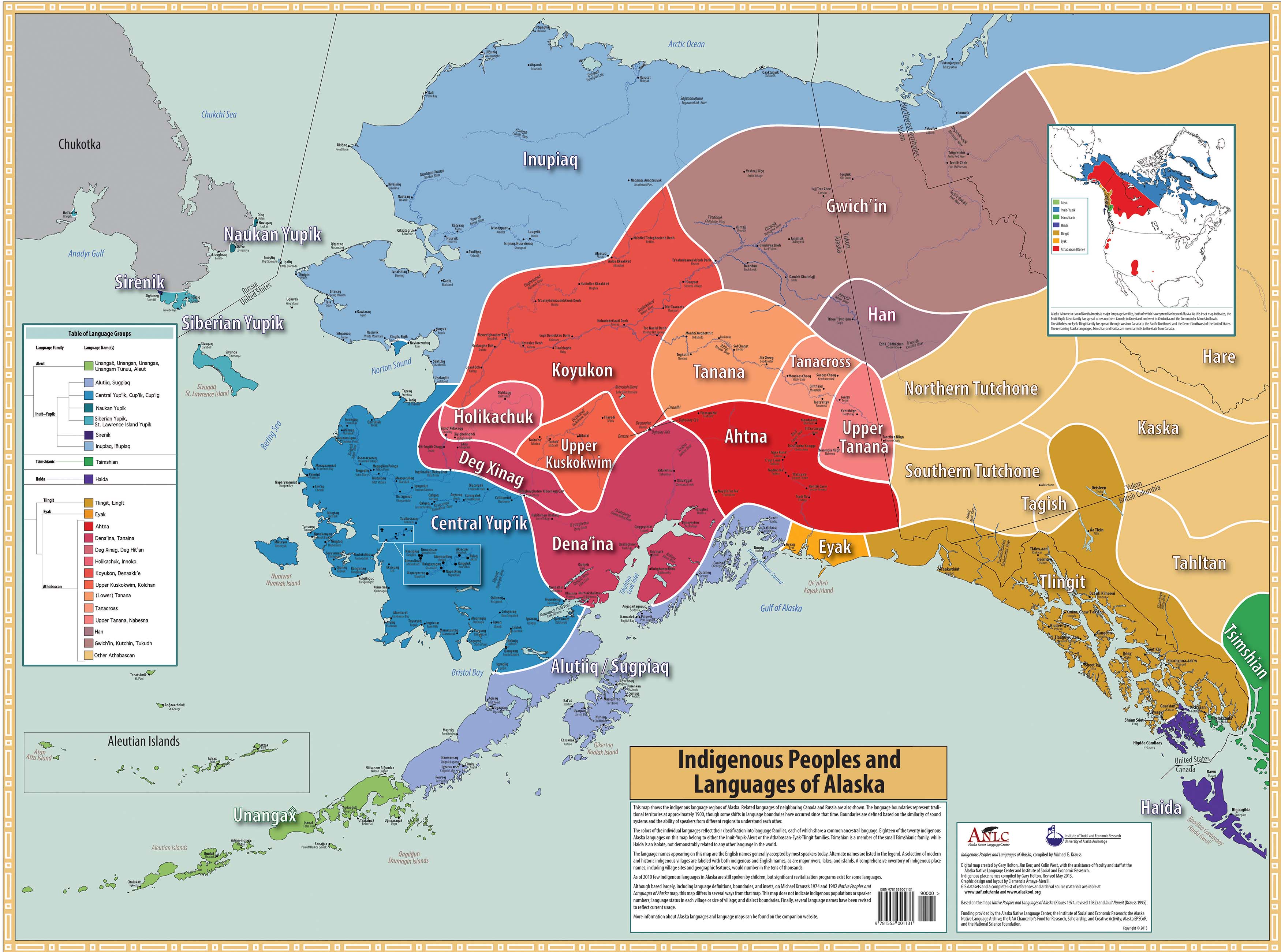
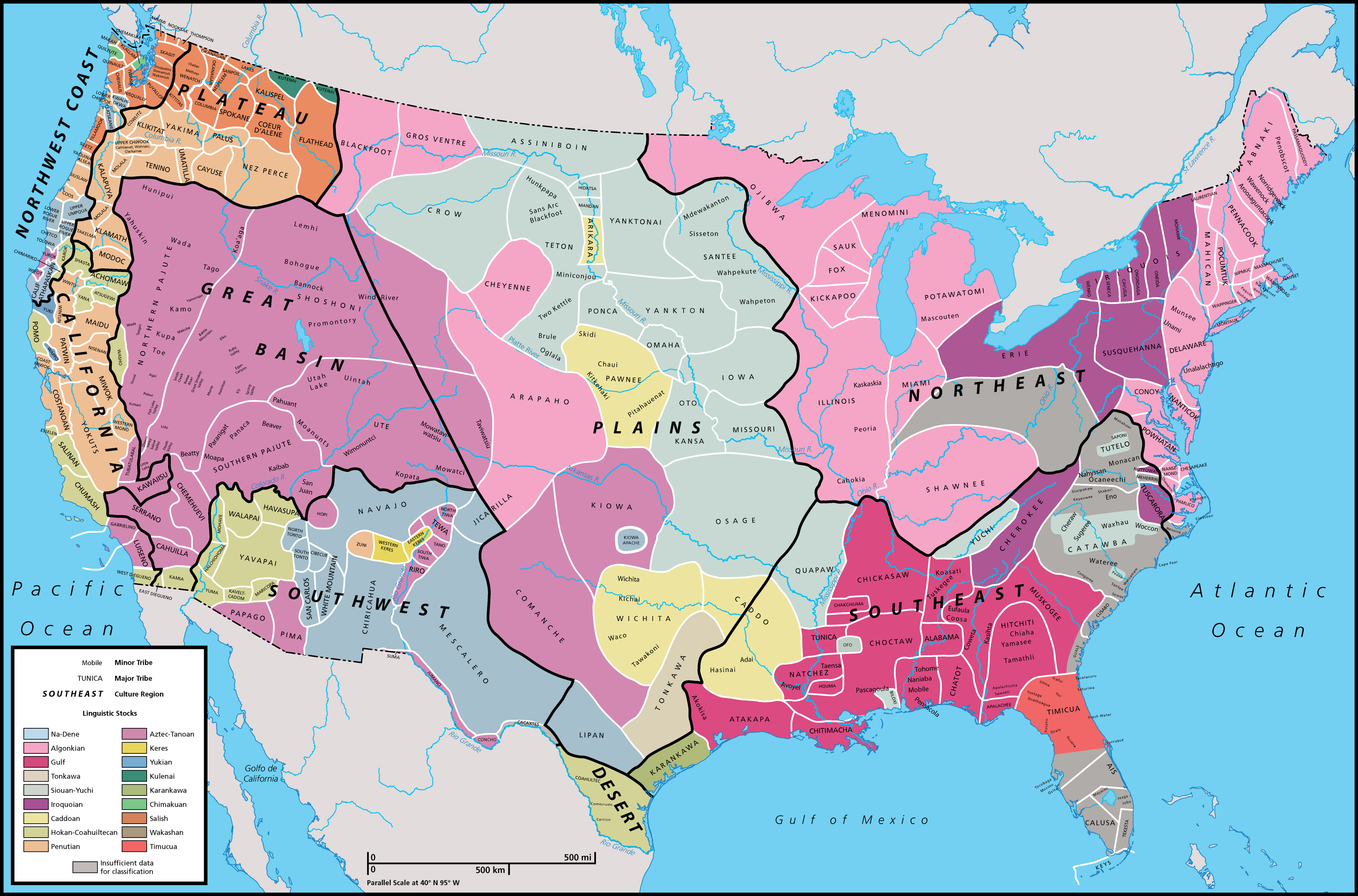
What is a native language? It is the language that an individual learns from birth, typically spoken by their family and community. It shapes their identity, cognition, and cultural connection. Understanding the nature of native languages provides insights into the complexities of human communication, cultural diversity, and the preservation of linguistic heritage.
The acquisition of a native language is a remarkable process, beginning with the first sounds and words in infancy. Through immersion and exposure, children develop a deep understanding of their language’s structure and meaning. Native language proficiency has significant cognitive benefits, enhancing problem-solving, critical thinking, and memory.
Definition of Native Language
A native language is the primary language that a person learns and speaks from childhood. It is typically the language of the person’s family and community, and it plays a central role in their cultural identity.
Native languages are distinct from non-native languages, which are languages that a person learns later in life. Non-native languages are often learned for practical reasons, such as for work or travel, and they may not be as deeply ingrained in a person’s identity as their native language.
Examples of Native Languages
English is the native language of the United States, the United Kingdom, and many other countries.
Spanish is the native language of Spain, Mexico, and many other countries in Latin America.
Mandarin Chinese is the native language of China, Taiwan, and Singapore.
Hindi is the native language of India.
Arabic is the native language of many countries in the Middle East and North Africa.
Factors Influencing the Development of Native Languages
The development of native languages is influenced by a variety of factors, including:
Geography: The geographical isolation of a community can lead to the development of a unique native language.
History: The history of a community can also influence the development of its native language. For example, a community that has been conquered by another group may adopt the language of the conquerors.
Culture: The culture of a community can also influence the development of its native language. For example, a community that values oral tradition may have a more complex native language than a community that values written tradition.
Role of Native Languages in Cultural Identity and Preservation
Native languages play a central role in cultural identity and preservation. They are a way for people to connect with their heritage and to express their cultural values. Native languages are also important for preserving cultural knowledge and traditions.
Characteristics of Native Languages
Native languages are distinguished by a set of key features that set them apart from non-native or foreign languages. These characteristics are deeply intertwined with the culture, history, and identity of the people who speak them.
One of the defining characteristics of a native language is its primacy. It is the first language a person learns, typically from their parents or caregivers during early childhood. This early exposure allows native speakers to develop an intuitive understanding of the language’s grammar, syntax, and vocabulary, often without explicit instruction.
Another important characteristic of native languages is their fluency. Native speakers are able to use the language effortlessly and spontaneously, expressing themselves with clarity and precision. They can navigate different registers and styles of speech, adapting their language to various social and communicative contexts.
Relationship between Native Languages and Culture
Native languages are closely intertwined with the culture of their speakers. They embody the collective experiences, values, and beliefs of a community. The words and expressions used in a native language often reflect the unique worldview and cultural practices of the people who speak it.
For example, the Inuit language has a vast vocabulary related to snow and ice, reflecting the importance of these elements in their Arctic environment. Similarly, the Navajo language has a rich lexicon for describing kinship relationships, emphasizing the strong bonds within their extended family structures.
Preserving and revitalizing native languages is crucial for maintaining cultural diversity and safeguarding the collective heritage of indigenous communities. By promoting the use of native languages in education, media, and daily life, we can help ensure their continued vitality and contribute to the preservation of cultural traditions.
Acquisition of Native Languages
Native language acquisition is the process by which children learn their first language. It is a complex process that involves exposure to the language, input from caregivers, and interaction with other speakers. Cognitive development and social factors also play a role in language acquisition.
Stages of Language Acquisition, What is a native language
Language acquisition occurs in several stages:
Prelinguistic stage(birth to 1 year): Infants produce non-linguistic sounds and gestures.
Holophrastic stage(1 to 2 years): Children produce single words to represent entire thoughts or sentences.
Telegraphic stage(2 to 3 years): Children produce short, two-word sentences that resemble telegrams.
Multiword stage(3 to 4 years): Children produce longer sentences with more complex grammar.
Adult-like speech(4 years and older): Children’s speech becomes increasingly similar to that of adults.
Role of Exposure, Input, and Interaction
Exposure to language is essential for language acquisition. Children need to hear and see the language spoken around them in order to learn it. Input from caregivers is also important. Caregivers provide children with language models and opportunities to practice speaking.
Interaction with other speakers helps children to learn the social rules of language and to develop their communication skills.
Influence of Cognitive Development and Social Factors
Cognitive development and social factors also play a role in language acquisition. Children’s cognitive abilities, such as memory and attention, help them to learn and remember new words and grammar rules. Social factors, such as the child’s interactions with caregivers and peers, can also influence language development.
Case Studies
Numerous case studies have documented the process of native language acquisition. One famous example is the case of Genie, a girl who was isolated from human contact until she was 13 years old. When she was discovered, Genie had not acquired any language skills.
However, with intensive therapy, she was able to learn to speak and understand English.
Cognitive and Social Impact of Native Languages
Native languages play a crucial role in shaping our cognitive and social development. They provide a foundation for understanding the world around us, fostering cultural identity, and facilitating communication within communities.
Cognitive Benefits of Native Language Proficiency
Research has shown that native language proficiency offers several cognitive benefits:
Enhanced Memory and Recall:Native speakers tend to have better memory for words and concepts in their native language than in foreign languages.
Improved Problem-Solving Abilities:The cognitive processes involved in language comprehension and production can enhance problem-solving skills in other domains.
Increased Metacognitive Awareness:Native speakers are more aware of the structure and rules of their language, which improves their ability to learn other languages and engage in reflective thinking.
Enhanced Cognitive Flexibility:Native language proficiency promotes cognitive flexibility, allowing individuals to adapt to different linguistic and cultural contexts.
Social and Cultural Significance of Native Languages
Native languages are deeply intertwined with the social and cultural fabric of communities:
Cultural Identity:Native languages are often closely tied to cultural traditions, beliefs, and values. They provide a sense of belonging and continuity for individuals and communities.
Social Cohesion:Native languages facilitate communication and understanding within communities, fostering social cohesion and cultural exchange.
Preservation of Heritage:Native languages are repositories of cultural knowledge and history. Their preservation ensures the continuity of cultural heritage and traditions.
Economic Benefits:Native language proficiency can enhance economic opportunities for individuals and communities, particularly in areas with multilingual populations.
Language Preservation and Revitalization
Native languages hold immense cultural, historical, and educational value, and their preservation and revitalization are crucial for the well-being of communities and the diversity of human linguistic heritage. This section explores the importance of language preservation and revitalization, highlights successful efforts, and provides practical suggestions for contributing to these initiatives.
Successful Language Revitalization Efforts
Numerous language revitalization efforts have achieved remarkable success, demonstrating the resilience and determination of communities to preserve their linguistic traditions. Notable examples include:
Māori language in New Zealand:The Māori language was on the brink of extinction in the mid-20th century. However, through community-led initiatives, educational programs, and government support, the language has experienced a significant revival and is now widely spoken and taught in schools.
Hawaiian language in Hawaii:The Hawaiian language faced a severe decline due to colonization and assimilation. However, a revitalization movement led by native Hawaiian speakers, educators, and cultural organizations has resulted in the establishment of immersion schools, language classes, and cultural programs, leading to a growing number of fluent speakers.
Guarani language in Paraguay:Guarani is the official language of Paraguay and is widely spoken alongside Spanish. However, efforts to promote its use in education, media, and government have helped to maintain its vitality and ensure its continued use by future generations.
Key Factors for Successful Language Revitalization
Successful language revitalization efforts often share common factors that contribute to their effectiveness:
Factor
Description
Community Engagement
Involving native speakers, elders, and community members in planning and implementing revitalization initiatives ensures their ownership and commitment.
Government Support
Government policies, funding, and educational programs can provide a supportive environment for language revitalization efforts.
Educational Programs
Establishing immersion schools, language classes, and cultural programs provides opportunities for language acquisition and transmission.
Cultural Revitalization
Promoting cultural practices, storytelling, and traditional knowledge associated with the language helps to strengthen its connection to the community.
Intergenerational Transmission
Encouraging older generations to pass on their language skills to younger generations ensures its continuity.
Challenges and Obstacles
Language revitalization efforts may face various challenges and obstacles:
Language Loss:Advanced stages of language loss can make revitalization efforts extremely difficult.
Cultural Assimilation:Dominant languages and cultures can exert pressure on native languages, leading to their decline.
Lack of Resources:Financial constraints, lack of qualified teachers, and limited access to materials can hinder revitalization efforts.
Attitudes and Perceptions:Negative attitudes towards native languages can discourage their use and revitalization.
Internal Divisions:Disagreements within communities about language standardization or revitalization methods can hinder progress.
Practical Suggestions for Individuals and Communities
Individuals and communities can contribute to language preservation and revitalization in several ways:
Attend language classes or workshops to learn or improve their native language skills.
Support language immersion programs for children and adults.
Use native languages in everyday life, such as speaking with family members, friends, and in community settings.
Create opportunities for language transmission, such as storytelling, cultural performances, and language exchange programs.
Advocate for policies and programs that support language revitalization, such as funding for immersion schools and teacher training.
Resources and Organizations
Numerous resources and organizations are dedicated to language preservation and revitalization:
Endangered Languages Project:A global initiative that supports the documentation and revitalization of endangered languages.
Native American Languages Act:A US law that provides funding and support for the preservation and revitalization of Native American languages.
Foundation for Endangered Languages:A UK-based organization that provides grants and support to projects focused on language revitalization.
Educational Implications of Native Languages
Native languages play a crucial role in education, providing cognitive, social, and cultural benefits that contribute to improved educational outcomes. Bilingual or multilingual education, which incorporates native languages into the curriculum, has been shown to enhance language skills, boost academic performance, and foster greater cultural understanding.
Cognitive Benefits
Enhanced language development: Native language instruction strengthens foundational language skills, facilitating the acquisition of additional languages and improving overall communication abilities.
Improved problem-solving: Studies have demonstrated that bilingual individuals exhibit enhanced cognitive flexibility and problem-solving skills, attributed to the increased neural connections and cognitive processes involved in language switching.
Increased attention and focus: Native language instruction promotes attention and focus by providing students with a familiar and meaningful context for learning, reducing cognitive load and enhancing engagement.
Social and Cultural Benefits
Preservation of cultural identity: Native language education plays a vital role in preserving cultural heritage, fostering a sense of belonging, and promoting cultural diversity.
Improved cultural understanding: Bilingual education exposes students to multiple perspectives and cultural norms, fostering empathy, tolerance, and global citizenship.
Increased social capital: Native language instruction strengthens community bonds by bridging cultural gaps and promoting cross-cultural communication.
Educational Outcomes
Improved academic performance: Research consistently shows that students who receive native language instruction or participate in bilingual education programs achieve higher academic outcomes, including increased literacy, numeracy, and overall cognitive development.
Reduced dropout rates: Native language education and bilingual programs have been associated with reduced dropout rates, as students feel more engaged and connected to their education when their native language is valued.
Increased educational opportunities: Bilingual education expands educational opportunities for students from diverse linguistic backgrounds, providing access to higher education and career paths.
Challenges and Ethical Considerations
Teacher training: Implementing native language and bilingual education programs requires well-trained teachers who are proficient in both languages and understand the cultural and linguistic needs of their students.
Resources and funding: Native language and bilingual education programs often require additional resources and funding to support teacher training, materials development, and program evaluation.
Language preservation: The use of native languages in education can raise ethical concerns about language preservation and cultural identity, especially in contexts where minority languages are threatened by assimilation.
Role of Technology
Technology can play a significant role in supporting native language and bilingual education by providing:
Access to language resources: Online dictionaries, language learning apps, and translation tools can supplement classroom instruction and provide students with additional opportunities to practice their native language.
Personalized learning experiences: Technology can enable personalized learning experiences tailored to the individual needs and learning styles of students from diverse linguistic backgrounds.
Cultural connections: Video conferencing and social media platforms can connect students with native speakers and cultural communities around the world, fostering cultural exchange and language learning.
Native Languages and Technology
Technology has significantly impacted native languages. On one hand, it poses challenges to their preservation, but on the other hand, it also offers potential for revitalization.
One of the main challenges posed by technology is the dominance of global languages like English on the internet and social media. This can lead to a decrease in the use of native languages, especially among younger generations.
Potential of Technology for Language Preservation and Revitalization
Despite these challenges, technology also offers potential for language preservation and revitalization. Digital tools can be used to create online dictionaries, language learning apps, and other resources that can help to keep native languages alive.
Online dictionaries and language learning apps:These tools can provide easy access to native language resources, making it easier for people to learn and use the language.
Digital archives:These archives can store recordings of native speakers, traditional stories, and other cultural materials, preserving them for future generations.
Social media and online communities:These platforms can connect native language speakers from around the world, providing opportunities for language exchange and support.
Sociolinguistic Aspects of Native Languages: What Is A Native Language
Native languages are deeply intertwined with the social and political dynamics of the communities that speak them. The status of a native language is influenced by various factors, including historical events, political policies, and economic conditions. In multilingual societies, native language speakers often face challenges in maintaining and using their languages in public domains.
Challenges Faced by Native Language Speakers in Multilingual Societies
Native language speakers in multilingual societies may encounter challenges in education, employment, and social participation. Dominant languages often take precedence in these domains, leading to the marginalization of native languages. Speakers may experience discrimination or face limited opportunities due to their language use.
Additionally, language policies and practices can contribute to the decline of native languages, as they may favor the use of dominant languages in official settings and media.
– Explain the importance of linguistic diversity.
Linguistic diversity refers to the variety of languages spoken in a region or globally. It is a vital aspect of human culture and heritage, contributing to cognitive development, cultural preservation, and identity formation. Preserving linguistic diversity is crucial for maintaining a rich and vibrant global linguistic landscape.
Benefits of Preserving Linguistic Diversity
Cognitive Development:Exposure to diverse languages enhances cognitive abilities such as problem-solving, critical thinking, and memory.
Cultural Preservation:Languages embody cultural values, traditions, and knowledge systems, preserving them for future generations.
Identity Formation:Native languages play a significant role in shaping personal and collective identity, fostering a sense of belonging and community.
– Analyze the role of native languages in preserving cultural heritage and identity.
Native languages are inextricably linked to the cultural heritage and identity of communities. They embody the collective knowledge, beliefs, and experiences of a people, passed down through generations.
Preserving native languages is crucial for safeguarding cultural diversity and fostering a sense of belonging among indigenous communities. They provide a unique lens through which individuals can connect with their ancestors, understand their traditions, and appreciate the richness of their heritage.
Native Languages and Cultural Expression
Native languages are essential for preserving traditional forms of storytelling, music, and art.
They enable the transmission of cultural narratives, folktales, and legends that shape the collective identity of a community.
Through native languages, individuals can access a wealth of cultural knowledge, including medicinal practices, agricultural techniques, and spiritual beliefs.
Historical Perspectives on Native Languages
The study of native languages has a long and complex history, marked by periods of suppression, assimilation, and revitalization.
Key Figures in the Study of Native Languages
Several key figures have made significant contributions to the field of native language studies:
Wilhelm von Humboldt(18th-19th century): A German linguist and philosopher who developed comparative linguistics and influenced Romantic nationalism.
Franz Boas(19th-20th century): An American anthropologist who emphasized the importance of linguistic diversity and cultural relativism.
Edward Sapir(19th-20th century): An American linguist and anthropologist who developed structural linguistics and proposed the Sapir-Whorf hypothesis.
Evolution of Attitudes Towards Native Languages
Attitudes towards native languages have evolved over time:
16th century:Suppression and assimilation during European colonization.
19th century:Rise of scientific interest in native languages.
20th century:Assimilationist policies in many countries.
21st century:Revitalization efforts and recognition of indigenous rights.
Impact of Colonialism and Globalization
Colonialism and globalization have had a significant impact on the status and preservation of native languages:
Colonial powers often suppressed native languages in favor of their own.
Globalization has led to the spread of dominant languages and the decline of many native languages.
Current Trends and Challenges
The field of native language studies is currently facing several challenges:
Language loss:Many native languages are endangered or extinct.
Lack of resources:There is a lack of funding and support for native language research and revitalization efforts.
Assimilation:Native languages are often marginalized in education and society, leading to assimilation and language loss.
Methods for Analyzing Native Languages
The analysis of native languages involves a diverse range of methods and techniques aimed at understanding their structure, function, and usage. These methods can be broadly categorized into two main approaches: descriptive and analytical.
Descriptive methods focus on documenting and describing the language’s features, including its sounds, grammar, and vocabulary. This approach often employs techniques such as:
Fieldwork: Involves conducting research in the community where the language is spoken, interacting with native speakers, and collecting data on the language’s usage.
Participant observation: The researcher immerses themselves in the community and observes the language’s use in everyday interactions.
Elicitation: Researchers use specific techniques to prompt native speakers to produce examples of the language’s features.
Analytical methods, on the other hand, involve analyzing the collected data to identify patterns and relationships within the language. These methods include:
Phonological Analysis
Examines the sound system of the language, including its phonemes, syllable structure, and prosody.
Morphological Analysis
Investigates the structure and formation of words, including their morphemes, affixes, and inflectional patterns.
The concept of a native language has evolved to encompass the first language acquired in childhood, typically through immersion in a particular linguistic community. Notably, sign languages, such as the one used in the “Me Too” campaign me too in sign language , also meet this criterion.
The acquisition of sign languages, just like spoken languages, occurs naturally in early childhood and forms the basis for linguistic competence within a specific cultural context, highlighting the significance of language as an integral part of human communication and identity.
Syntactic Analysis
Analyzes the rules governing the combination of words into phrases and sentences, including word order, grammatical categories, and sentence structure.
Semantic Analysis
Examines the meaning of words, phrases, and sentences, including their denotations, connotations, and relationships to other words.
A native language, or mother tongue, is the first language a person learns from their family or community. It is the language they are most comfortable speaking and thinking in. In Sweden, the official language is Swedish, which is spoken by the majority of the population.
What is the language of Sweden ? Swedish is a North Germanic language that is closely related to Norwegian, Danish, and Icelandic. It is a tonal language, meaning that the pitch of the voice can change the meaning of a word.
Discourse Analysis
Studies the organization and structure of larger units of language, such as conversations, narratives, and texts, and how they are used to convey meaning and achieve communicative goals.
Case Studies of Native Languages
Native languages are a diverse group of languages that are spoken by indigenous communities around the world. These languages often have unique characteristics that distinguish them from other languages, and they play a vital role in the cultural heritage and identity of their speakers.
However, many native languages are facing challenges due to globalization, language shift, and other factors. In this section, we will present case studies of specific native languages to explore their unique characteristics, challenges, and revitalization efforts.
One example of a native language that has faced significant challenges is the Navajo language. Navajo is spoken by the Navajo people of the southwestern United States, and it is one of the most widely spoken Native American languages. However, Navajo has been facing a decline in the number of speakers in recent decades due to factors such as assimilation, intermarriage, and the influence of English.
In response to this decline, the Navajo Nation has implemented a number of revitalization efforts, including the establishment of language immersion schools and the development of Navajo language materials. These efforts have helped to slow the decline of the Navajo language, and they have also helped to raise awareness of the importance of preserving native languages.
Another example of a native language that has faced challenges is the Hawaiian language. Hawaiian is the native language of the Hawaiian people, and it was once the dominant language spoken in Hawaii. However, after the arrival of Europeans in the 19th century, the Hawaiian language began to decline due to factors such as colonization, language suppression, and the influence of English.
Today, Hawaiian is an endangered language, and there are only a few thousand fluent speakers remaining. In recent years, there has been a growing movement to revitalize the Hawaiian language, and there are a number of organizations and individuals working to promote the use of Hawaiian in schools, homes, and the community.
These efforts have helped to raise awareness of the importance of preserving native languages, and they have also helped to increase the number of people who are learning and speaking Hawaiian.
The case studies of Navajo and Hawaiian languages demonstrate the challenges that native languages face in the modern world. However, they also show that it is possible to revitalize native languages and to ensure their survival for future generations. By raising awareness of the importance of native languages, supporting language revitalization efforts, and promoting the use of native languages in all aspects of life, we can help to ensure that these languages continue to thrive for many years to come.
Future Directions in Native Language Research
Native language research is a dynamic field that is constantly evolving. As new technologies and approaches emerge, researchers are gaining new insights into the nature of native languages and their role in society.
One of the most important future directions in native language research is the use of new technologies to collect and analyze data. In the past, researchers have relied on traditional methods such as interviews and surveys to collect data about native languages.
However, new technologies such as corpus linguistics and computational modeling are providing researchers with new ways to collect and analyze data that is more comprehensive and accurate.
Another important future direction in native language research is the focus on the role of native languages in society. Researchers are increasingly interested in understanding how native languages are used in different social contexts and how they contribute to the cultural and linguistic diversity of society.
Potential for New Technologies and Approaches
The potential for new technologies and approaches in native language research is vast. For example, researchers are using:
Corpus linguisticsto analyze large collections of text in native languages. This can help researchers to identify patterns in language use and to develop new insights into the structure and function of native languages.
Computational modelingto simulate the acquisition and use of native languages. This can help researchers to understand how native languages are learned and processed by the brain.
Mobile technologyto collect data from native speakers in remote areas. This can help researchers to document endangered languages and to gain a better understanding of the diversity of native languages.
User Queries
What are the key features of a native language?
Fluency, deep understanding of grammar and vocabulary, and a strong emotional connection.
How does a native language influence cognitive development?
It enhances problem-solving, critical thinking, and memory abilities.
Why is the preservation of native languages important?
It safeguards cultural identity, linguistic diversity, and the transmission of knowledge and traditions.